Celebrating the Birth of Hungarian Cinema 125 Years Ago
zita kisgergely
Hungarian Film Day, organized by the National Film Institute, Hungary, has been held since 2018 on April 30th to celebrate the very first screening of Hungarian film footage way back in 1901.

But this year is a special birthday as it marks the 125th anniversary of this date. To pay proper homage to Hungarian film history, it was decided that the usual day event should be extended by a week. The expanded festivities and diverse programs also promise to reach a wider audience.
Hungarian Film Day – or days, in this case – will include exhibitions, professional get-togethers and events. Film screenings will also take place, some of which will be supplemented with forums featuring talent or filmmakers. Additionally, historical walking tours will also be available to join at the Uránia National Film Theatre, Pannónia Film Studio building, as well as the NFI studios in Róna Street.
Some of the illustrious guests on hand during the celebrations will include legendary Hungarian director István Szabó and producer Robert Lantos. (Szabó won Hungary’s first Academy Award for Best Foreign Language Film in 1981 for Mephisto.) Both filmmakers will attend a screening of Sunshine (1999), while renowned Oscar-nominated cinematographer and director Lajos Koltai will be present at the screening of his film, Semmelweis (2023).
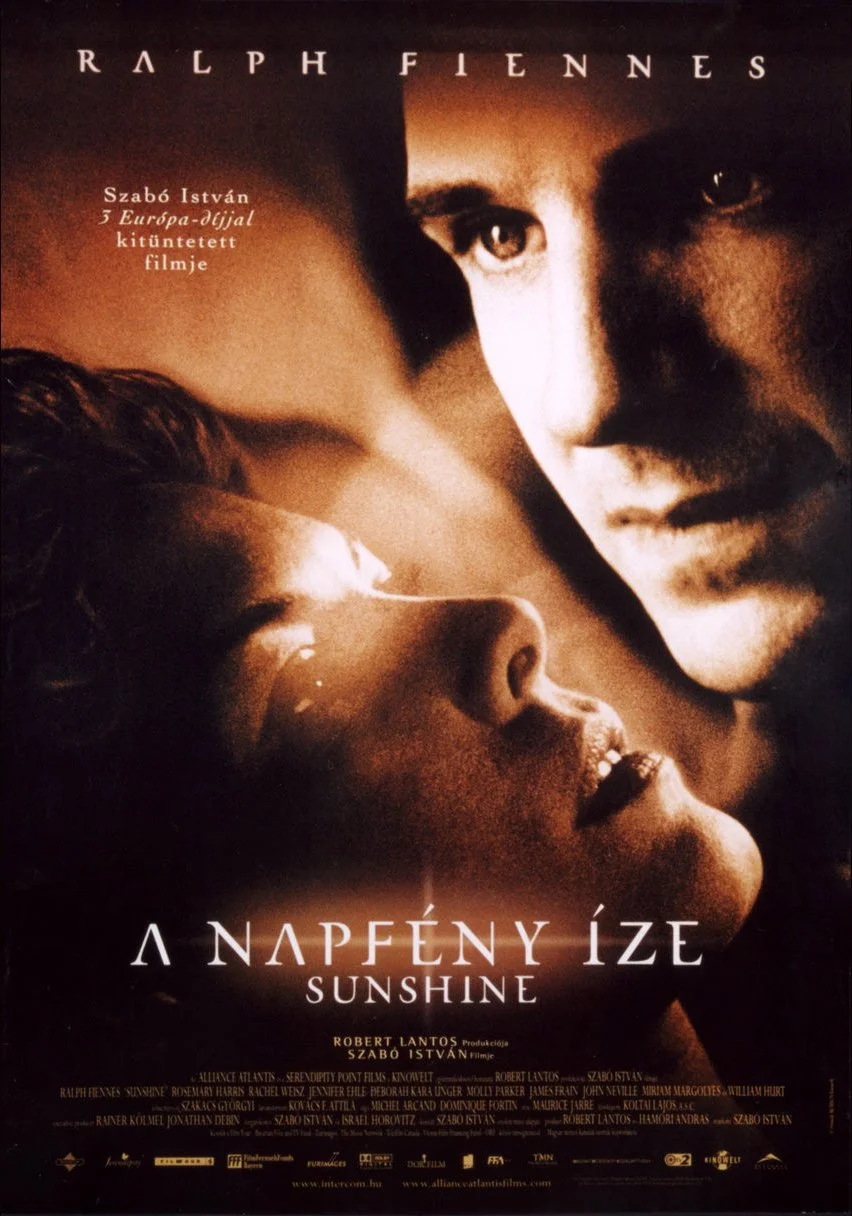
Sunshine (1999) from István Szabó.
Uránia Cinema: A Special Location for Hungary’s First Film
We’ve written before about the history and architecture of this gorgeous building. But as well as being a venue for cinema events (Hungarian Film Day is no exception), the Uránia also holds its own special place in Hungary’s film history.
Designed by Henrik Schmahl (who worked with famous Hungarian architect Miklós Ybl on the State Opera House), the building is a successful mix of gothic and Italian renaissance with an interior heavily influenced by Moorish decorative elements. Completed in 1896, the Uránia originally served as an Orpheum – a theatre or music hall popular with audiences at the time. But not only was the first Hungarian film A Táncz (The Dance) shot in the building, it was also screened to audiences there. From this point the Uránia became synonymous as a venue for films and film festivals.
The series of events celebrating Hungarian Film Day will run from April 27th until May 3rd, 2026, at various locations in Budapest.
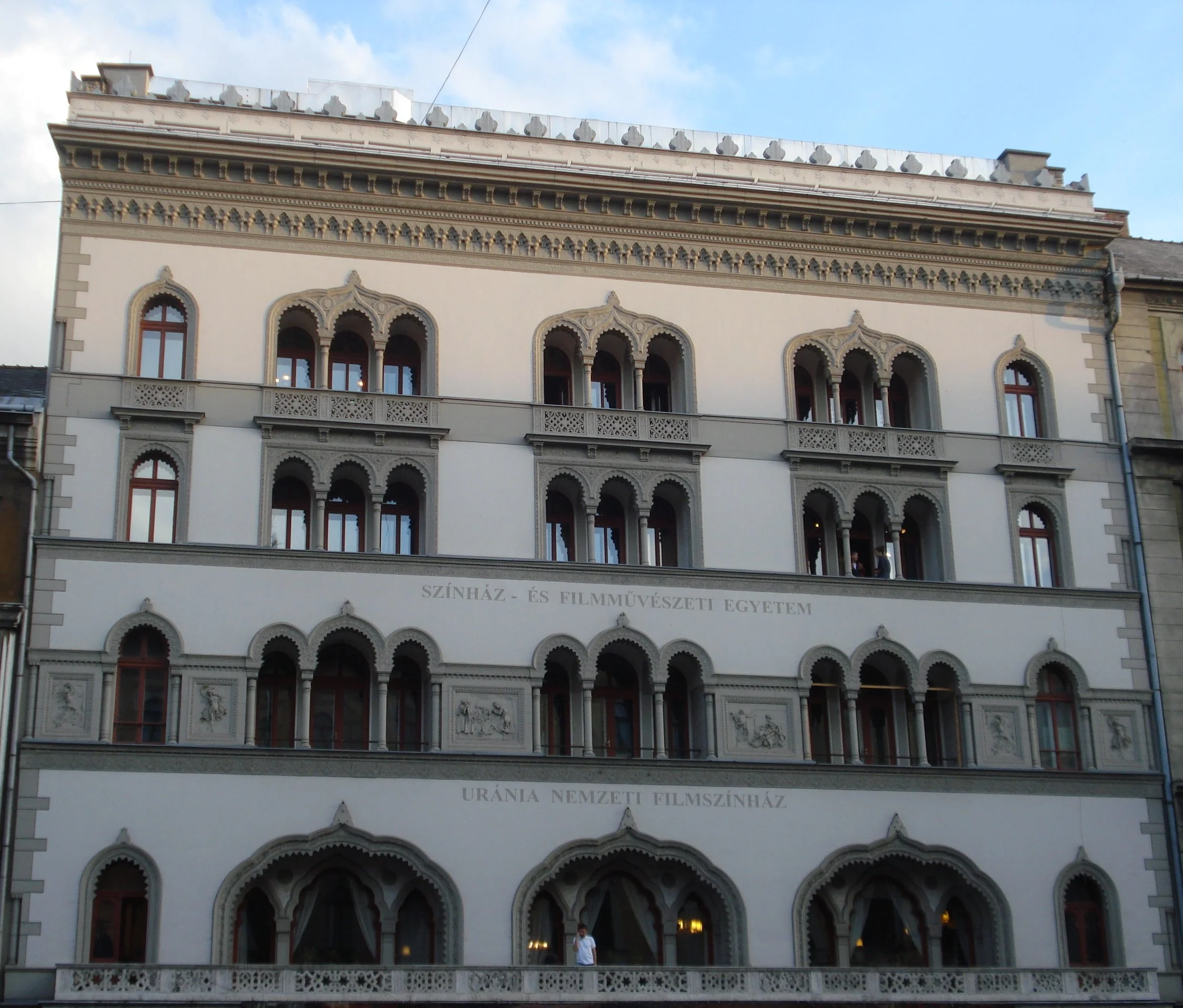
Uránia Cinema. Photo from Wikimedia Commons.
Sources & further information
Flatpack Films has years of experience servicing international brands, agencies, and production companies. Filming in Hungary is easy when relying on their knowledge of the market and ability to solve complex needs. They bring the best that Hungary has to offer in terms of unique locations, exceptionally skilled crews, top-of-the-line equipment and technical solutions. Backed by an impeccable track record, Flatpack Films has worked with world-class clients including Samsung, Samsonite, Toyota, Braun, Chivas Regal and many more.
Get in touch and learn more about Budapest film locations, Hungarian film incentives, film tax credits in Hungary and how Flatpack Films can bring your project to life through a highly bespoke approach.