Budapest Film Marathon Celebrates 125 Years of Hungarian Film
zita kisgergely
Since 2017, the Budapest Classic Film Marathon has been celebrating restored movie favourites every year for a week in autumn. But this year marks an extra special celebration: the 125th birthday of Hungarian film.

Credit: via NFI
With its grand boulevards, historic buildings and diverse architectural styles, Budapest understands the magic of cinema. This is one of the big reasons why international film and TV productions keep coming back to the country. But this September, instead of being a film location, the city is celebrating the art of filmmaking itself as the Budapest Classic Film Marathon makes its return for a ninth edition from September 15–20, 2026.
Hosted by the Hungarian National Film Institute (NFI), the festival will showcase approximately 100 restored films in arthouse cinemas and cultural venues throughout the capital. Beyond some classic international films, the program will also feature domestic movies depicting turbulent eras of Hungarian history–of particular importance this year is the 70th anniversary of the 1956 Hungarian Revolution. Audiences will be able to experience films from several eras in the twentieth century (including silent films with live music), attend discussions and workshops.

Ferenc Puskás. Photo via Wikipedia
A Snapshot of Hungarian History
Márton Keleti's 1956 social and political satire The Football Star (A csodacsatár), starring legendary Hungarian footballer, Ferenc Puskás, will be a highlight of the program. Made during the era of Hungary’s Golden Team, the film cleverly utilizes the idolotry of an unsuccessful football hero in a fictional place to surreptitiously pass comment on the state of Hungary at the time.
The version being screened is also noteworthy. Several scenes of the film had been reshot with fellow Golden Team player Nándor Hidegkuti after Puskás emigrated from Hungary following the events of 1956. The original restored film featuring Puskás will be the one screened, allowing audiences to see the film as it was intended.
Sándor Sára's 80 Hussars (1978) is also on the program–another historical drama but this time based on events that happened during the Hungarian War of Independence 1848–49. It’s a further reminder that Hungarian filmmakers have often mined the ups and downs of Hungarian history to examine themes of a nation’s struggles to assert freedom and identity.

Thelma & Louise
Iconic International Cinema
The international program invites audiences to revisit past great films such as Jean-Pierre Jeunet's charming Amélie. Besides this nostalgic trip down cinematic memory lane, audiences will also be able to choose edgier but equally unforgettable routes back to the past, like Ridley Scott's road movie Thelma & Louise–which premiered thirty-five years ago in Cannes–or Mathieu Kassovitz's relentless La Haine. Andrzej Wajda's Ashes and Diamonds and Roman Polanski's The Pianist will round out the selection, offering perspectives on survival and the brutality of war.
The festival's very distinctive Blood Countesses – Female Vampires in 20th-Century Genre Cinema section includes Tony Scott's vampire film The Hunger, starring Catherine Deneuve, David Bowie and Susan Sarandon. The film’s gothic yet modern interpretation of the vampire myth combines themes of desire and ageing that sound just as relevant as they did back in 1983 when the film was released.
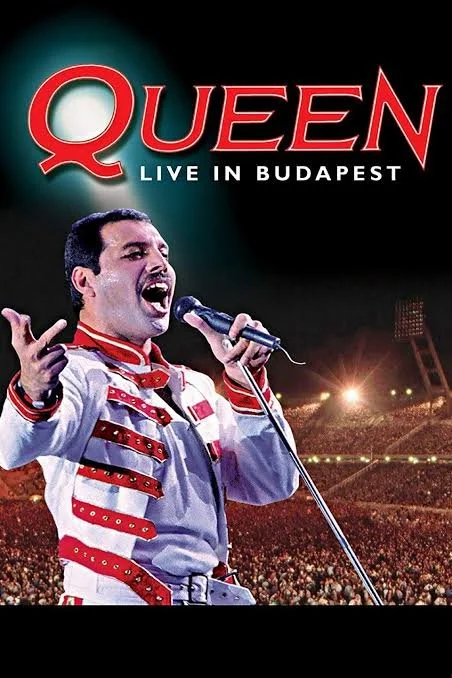
Queen Live in Budapest via Imdb.
A Piece of Music History
Opening the festival on September 15th will be the screening of another bit of Hungarian history–this one decidedly happier. This new 4K version of Queen's legendary 1986 Budapest concert film was restored by the NFI Film Archive and NFI Film Lab in collaboration with Peter Jackson's Park Road team for Sony Music Vision and will offer a glimpse into the band’s time in the city and the ecstatic fans who greeted them.
Where to Watch
Screenings of the films will take place at venues including the Uránia National Film Theatre, Toldi Cinema, Art+ Cinema, the French Institute and Budapest Open-Air Cinema.
Sources & further information:
Flatpack Films has years of experience servicing international brands, agencies, and production companies. Filming in Hungary is easy when relying on their knowledge of the market and ability to solve complex needs. They bring the best that Hungary has to offer in terms of unique locations, exceptionally skilled crews, top-of-the-line equipment and technical solutions. Backed by an impeccable track record, Flatpack Films has worked with world-class clients including Samsung, Samsonite, Toyota, Braun, Chivas Regal and many more.
Get in touch and learn more about Budapest film locations, Hungarian film incentives, film tax credits in Hungary and how Flatpack Films can bring your project to life through a highly bespoke approach.