Oscar-winning Hungarian Director István Szabó Starts Filming in Budapest.
zita kisgergely
First look photos from the set of Szabó’s latest film reveal an impressive cast of international stars.
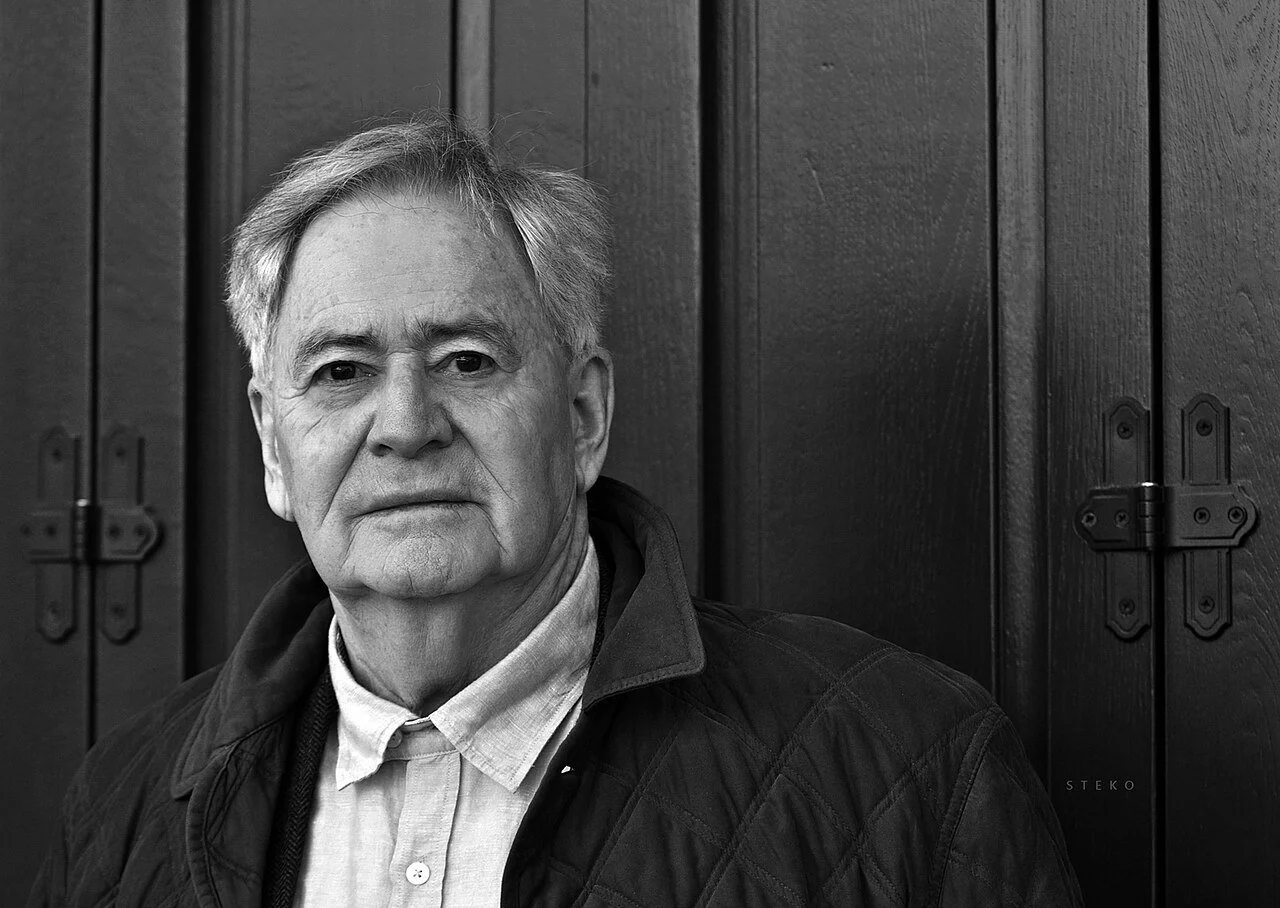
István Szabó. Photo via Wikipedia.
The Script
Szabo’s latest film is a period drama, based on a work from veneered Hungarian writer, Sándor Márai. The book, Embers (A gyertyák csonkig égnek), was adapted into a screenplay by two-time Academy Award winner Christopher Hampton (Dangerous Liaisons). It’s therefore hardly surprising that Szabó described it as being the best script he had ever held in his hands, and the novel itself as one of the most beautiful works of fiction of the 20th century.
Although published in 1942, the book was only translated into English some fifty years later. Not long after, Hampton adapted the novel into a stage play starring Jeremy Irons and Patrick Malahide for the Duke of York’s Theatre in London’s Westend in 2006.
The Cast
The two lead characters in Szabó’s film are played by Ralf Fiennes and Viggo Mortensen, with Charlotte Rampling and Katherine Langford in supporting roles.
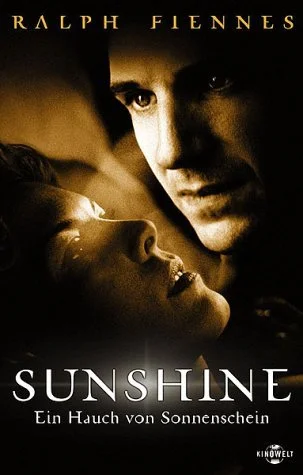
It’s not the first time Szabó and Fiennes have worked together. Fiennes starred in Szabo’s 1999 film, Sunshine, a three-hour period epic about three generations of a Hungarian-Jewish family.
Embers: The Story
It’s a psychological drama that takes place in a remote castle during the Austrian-Hungarian empire when two once inseparable friends–elderly general Henrik (played by Fiennes) and Konrád (Mortensen)–meet again after the lapse of 41 years.
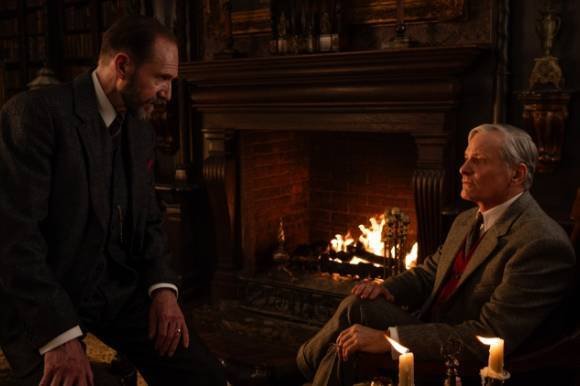
First look at the film, Embers. Credit: Mike Ramsey.
What follows is a night fraught with intense emotional tension and accusations. Digging deep into the themes of loyalty, revenge and regret, the character-driven story uncovers the secret at the centre of the breakdown of this friendship–and the role a long-deceased woman played in it.
The Director
One of the most well-known Hungarian directors, István Szabó’s oeuvre is firmly placed within the historical and psychological context of 20th century Central Europe.
After graduating from the Academy of Drama and Film in Budapest, Szabó was at the time swept up in the so-called “new wave” of Hungarian cinema in the 1960s. Thanks to reforms introduced by the Kádár government after the quashed 1956 revolution, filmmakers of Szabó’s generation experienced increasing freedom of expression.
Experimental, anti-establishment and exploring the human psyche in way that had been previously frowned-upon, the Hungarian films of this time were also seen as potentially valuable cultural commodities that could be exported to the West.
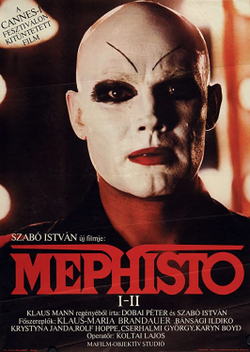
Since Szabó’s success with Mephisto (1981)–which won Hungary its first Oscar for Foreign Language Film–most of Szabó’s features have filmed in a variety of languages as international co-productions. His last film, Final Report (Zárójelentés), was produced by Film Street and released in 2020.
The Producers
An international coproduction between Robert Lantos’ Canada-based Serendipity Point Films, Tibor Krsko’s Hungarian HGO Films, and UK-based Potboiler Productions, Embers’ executive producers include Jam Mojto, Atom Egoyan, Tim Haslam, and Andrea Calderwood. Christopher Hampton and Jeff Sackman are co-executive producers.
The film represents a reunion for Szabó with former collaborator Lantos. The Hungarian-Canadian film producer worked with Szabó on Sunshine (1999) and Being Julia (2004). Lantos also worked previously with Viggo Mortensen on Eastern Promises (2007).
In a press release from Serendipity Point Films, Fiennes is reported as saying:
“I had long hoped to be reunited with István Szabó on another film. Robert Lantos has brought us together with Christopher Hampton’s wonderful adaptation of Embers. One of the great joys of this project was to be able to work with Viggo Mortensen, he is a great actor who I have admired for many years. It was something extraordinary to be on the set with him, István and a superb Hungarian crew,”
Mortensen added:
“To have worked alongside Ralph Fiennes for István Szabó on Christopher Hampton’s adaptation of Sándor Márai’s beautiful novel has been a once-in-a-lifetime experience. I couldn’t have asked for a more inspiring challenge.”
Sources & further information