Location Scout: Natural Wonders of the Hungarian Countryside
zita kisgergely
Budapest has become a world-renowned filming location for many international production companies. Lesser known perhaps by non-locals, however, are some of the natural wonders of the country that lie outside the capital.
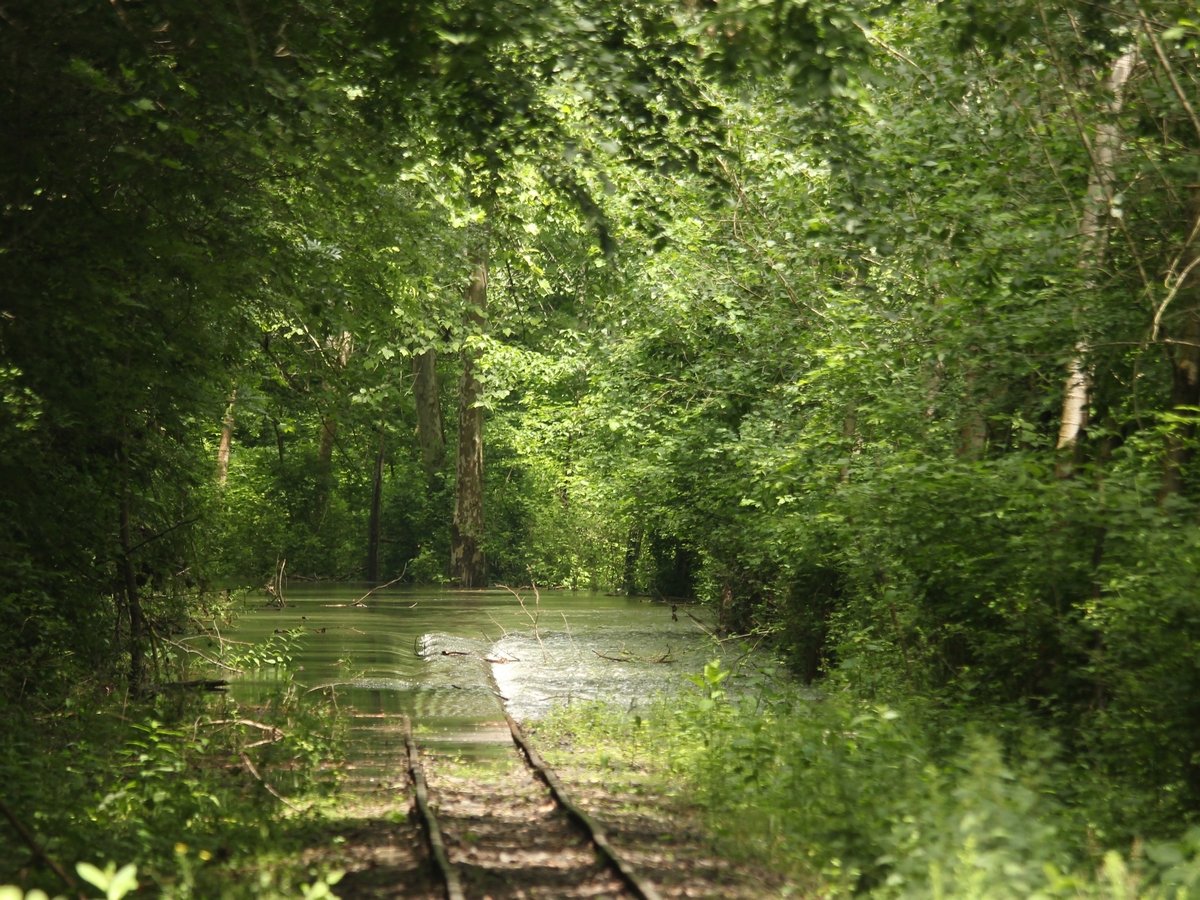
Gemenc Forest. Photo via Gemenc Zrt.
There are so many remarkable regions, some of which we’ve written about here, including the region of the Tisza Wetlands and Lake Balaton. Let’s look at five further spots that stand out for not only their natural beauty, but their wild and rugged atmosphere.
Gemenc forest
Part of the Danube-Drava National park, this is one of the largest floodplain forests in Europe–meaning it’s sometimes under water. The Gemenc forest in southern Hungary is located along the Danube River and spans approximately 340 square kilometres. With a diverse range of softwoods close to the water as well as hardwoods, it’s a truly unique forest teeming with wildlife such as boars, storks, falcons, eagles, and even protected butterfly species.
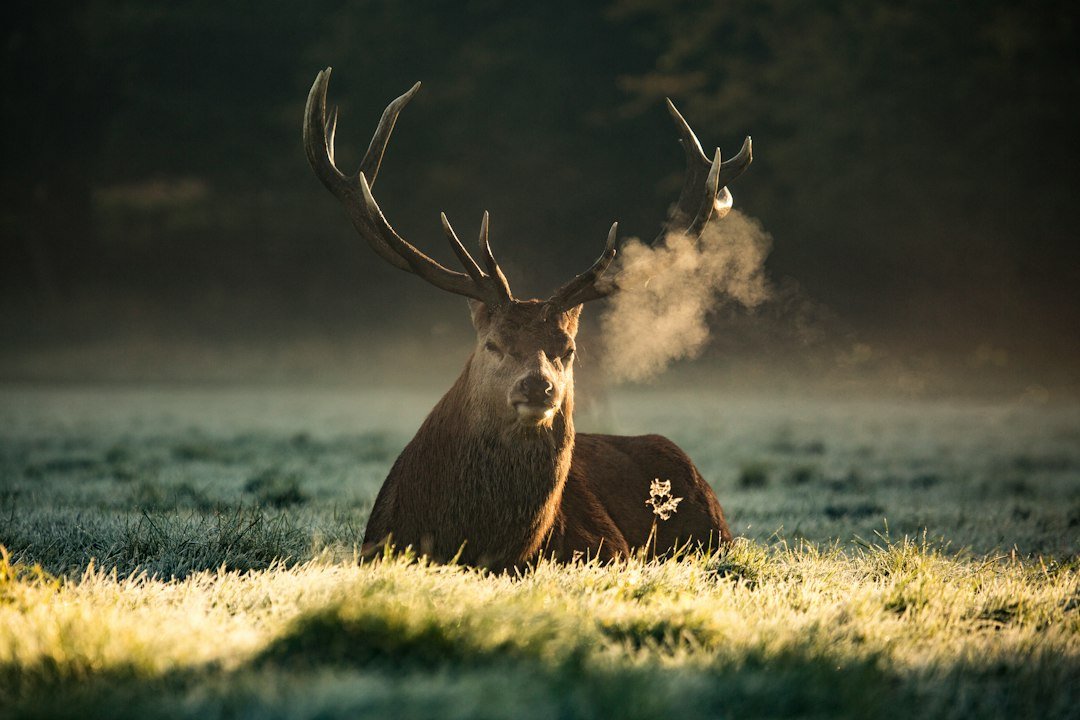
Red Deer. Stock Photo via Unsplash.
The red deer in the area are particularly famous, partly due to the stag’s impressive headgear as well as the loud bellowing they emit while trying to attract a mate during the autumn rut (the annual breeding season).
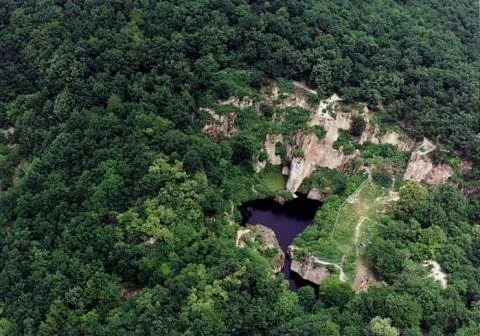
Megyer-hegy tarn. Photo via Wikipedia.
Megyer-hegy Tarn
This picturesque natural gem found in the north-east of the country is not technically 100% down to mother nature. Megyer-hegy tarn started out as an abandoned millstone mine that was closed sometime in the early twentieth century.
Having over time filled with water (rainwater, not water from a glacier), the site was transformed into a lovely lake of emerald-green surrounded by cliffs of up to 70 metres in height. The overall impression is of a place that is completely other-worldly. Under the protection of the Aggtelek National Park, the area is nestled in the Zemplén mountains and located near the town of Sárospatak.
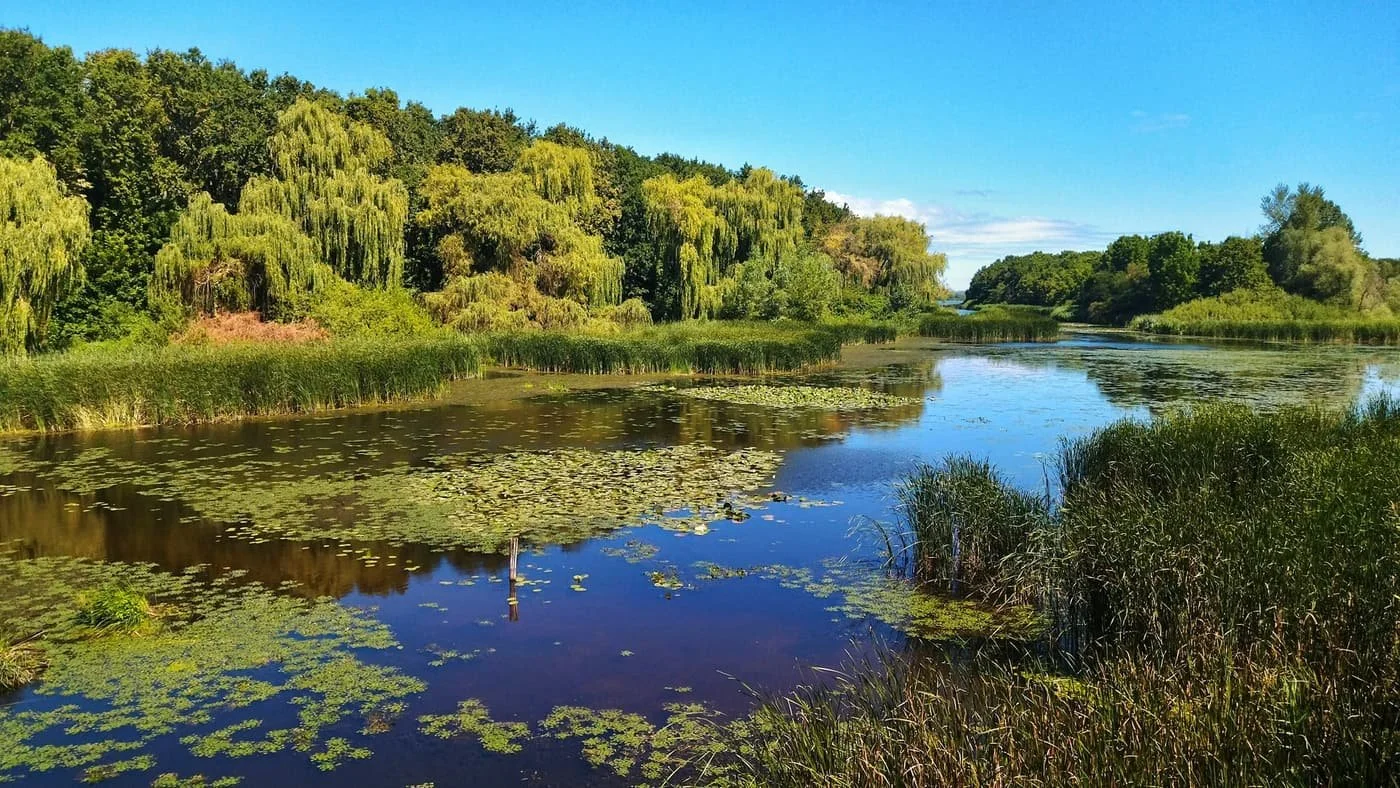
Kányavári Island. Photo by Gábor Hortolányi.
Kányavári Island
Kányavári is an island located in the so-called “Little Balaton” area, another protected region of the country. With its swampy marshlands, visiting this tucked away corner of Hungary feels like stepping into a region more akin to Louisiana or Florida.
With access only via a wooden footbridge, Kányavári Island is the only place in this area that can be visited year-round without a guide. It’s known for its diverse water birds and fish varieties.
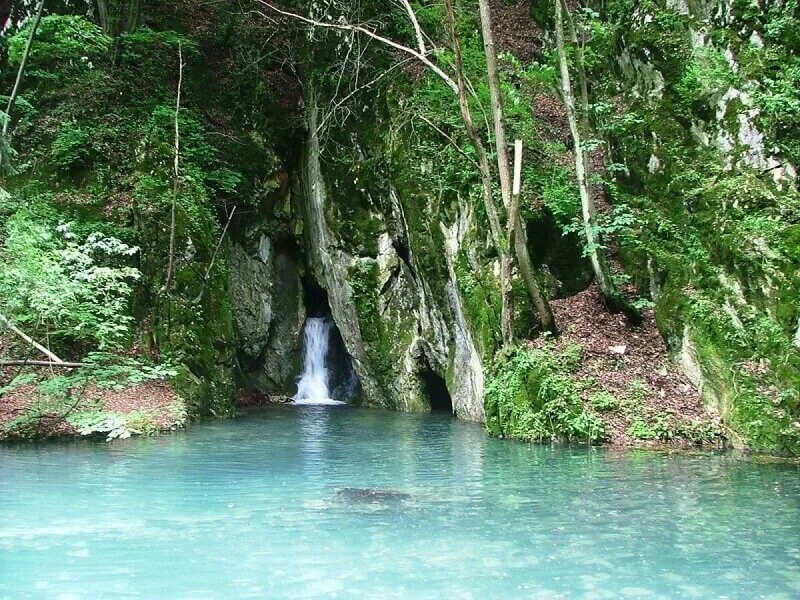
Szikla-Forrás. Photo via Szilvasvarad.hu
Szalajka Valley
Another picturesque, forested area in northern Hungary, this time located in the Bükk National Park. The Szikla-forrás (Cliff Spring) is one of the most beautiful karst springs in Hungary, where crystal-clear water flows from the limestone cliff face, directly feeding the Szalajka stream.
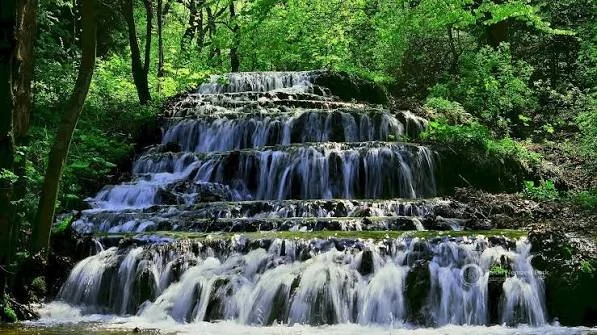
The Fátyol Waterfall. Photo via Bükk Nemzeti Park.
Not far from here you can also find the easily accessible Fátyol waterfall. Take the scenic trail from Szilvásvárad to reach this gently cascading waterfall, especially recommended to view during the autumn months when the changing colours of the leaves add a new level to the picture-perfect scene.
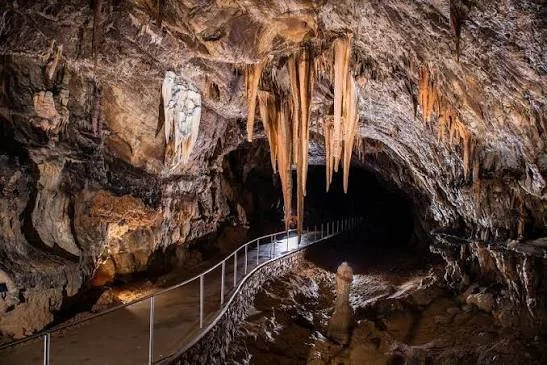
Caves at the Aggtelek National Park. Photo via Aggtelek Nemzeti Park.
Dripstone Caves in Aggtelek
While we’re in northern Hungary, it’s also worth pointing out a noteworthy sight that’s below ground–the truly awe-inspiring karst caves of the Aggtelek region that stretch for 25.5 kilometres between the border of Hungary and Slovakia.
Now a UNESCO World Heritage Site, there are a whopping 712 caves located here, allowing visitors to view impressive stalactites and ornate karst formations. The naturally-great acoustics of the Baradla cave mean that concerts have also been performed here, as well as shorter atmospheric music and light shows.
These are just some of Hungary’s unique natural wonders that are perhaps not so familiar to the international community. Budapest does tend to capture the limelight, so it’s always worthwhile exploring spots away from the capital which offer rural landscapes–some of which are not so usually associated with this little but diverse country.
Sources & further information
Flatpack Films has years of experience servicing international brands, agencies, and production companies. Filming in Hungary is easy when relying on their knowledge of the market and ability to solve complex needs. They bring the best that Hungary has to offer in terms of unique locations, exceptionally skilled crews, top-of-the-line equipment and technical solutions. Backed by an impeccable track record, Flatpack Films has worked with world-class clients including Samsung, Samsonite, Toyota, Braun, Chivas Regal and many more.
Get in touch and learn more about Budapest film locations, Hungarian film incentives, film tax credits in Hungary and how Flatpack Films can bring your project to life through a highly bespoke approach.